Products
Soft Packaging
Protecting your product from movement, impact and surface damage. Soft packaging can be used alongside our wooden cases and crates, or as part of a standalone packaging solution where that is the right approach.
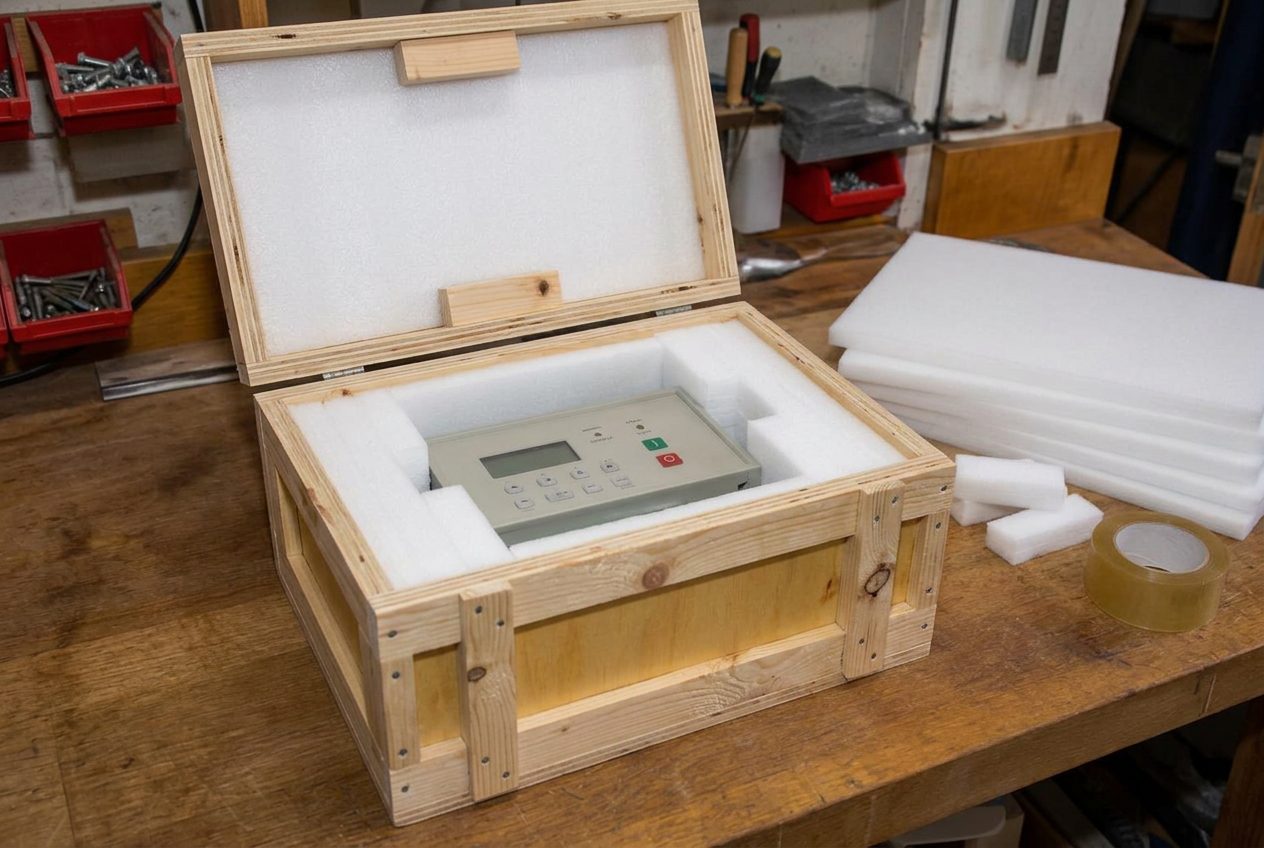
Inside the packaging
Outer packaging and internal protection
A case, crate or pallet carries the load. What happens inside it decides whether the product arrives in the condition it left in. Soft packaging is the layer that keeps the item still, cushions it against knocks and keeps finished surfaces from being marked.
We supply and fit soft packaging as part of the timber packaging we manufacture, and we also supply protective packaging materials on their own where an item does not need a timber case around it. As packaging merchants we also supply pallet wrap, loose fill, cardboard boxes and board, corrugated rolls, tapes, acid-free tissue, foam and polystyrene sheets, and strapping.
Materials
Soft packaging we work with
The materials below are chosen to suit the product and the way it will be handled.
Foam protection
Foam used to cushion and support products where knocks, vibration or surface damage are a concern.
Foam inserts and cushioning
Foam cut and shaped to sit around a product, holding it in position inside its outer packaging.
Bubble wrap
Wrapping for delicate items, finished surfaces and components that need a protective layer before packing.
Polythene and protective film
Film and polythene used to cover and wrap products, keeping surfaces clean and covered in handling.
Packaging paper and cardboard protection
Paper and cardboard used for wrapping, interleaving and separating items within a pack.
Polychips and loose-fill protection
Loose-fill used to fill voids around a product where that is the sensible way to keep it steady.
Edge and corner protection
Protection applied to the edges and corners that take the most contact during handling.
Bespoke internal packing and cushioning
Internal packing built up around irregular shapes so the product is supported where it needs to be.
Pallet wrap
Pallet wrap in all sizes, for securing and covering palletised loads.
Bio and polystyrene loose fill
Loose fill in bio and polystyrene forms, used to fill voids around a product.
Foam sheets and polystyrene sheets
Sheet materials cut and used for lining, layering and separating items.
Cardboard boxes, board and corrugated rolls
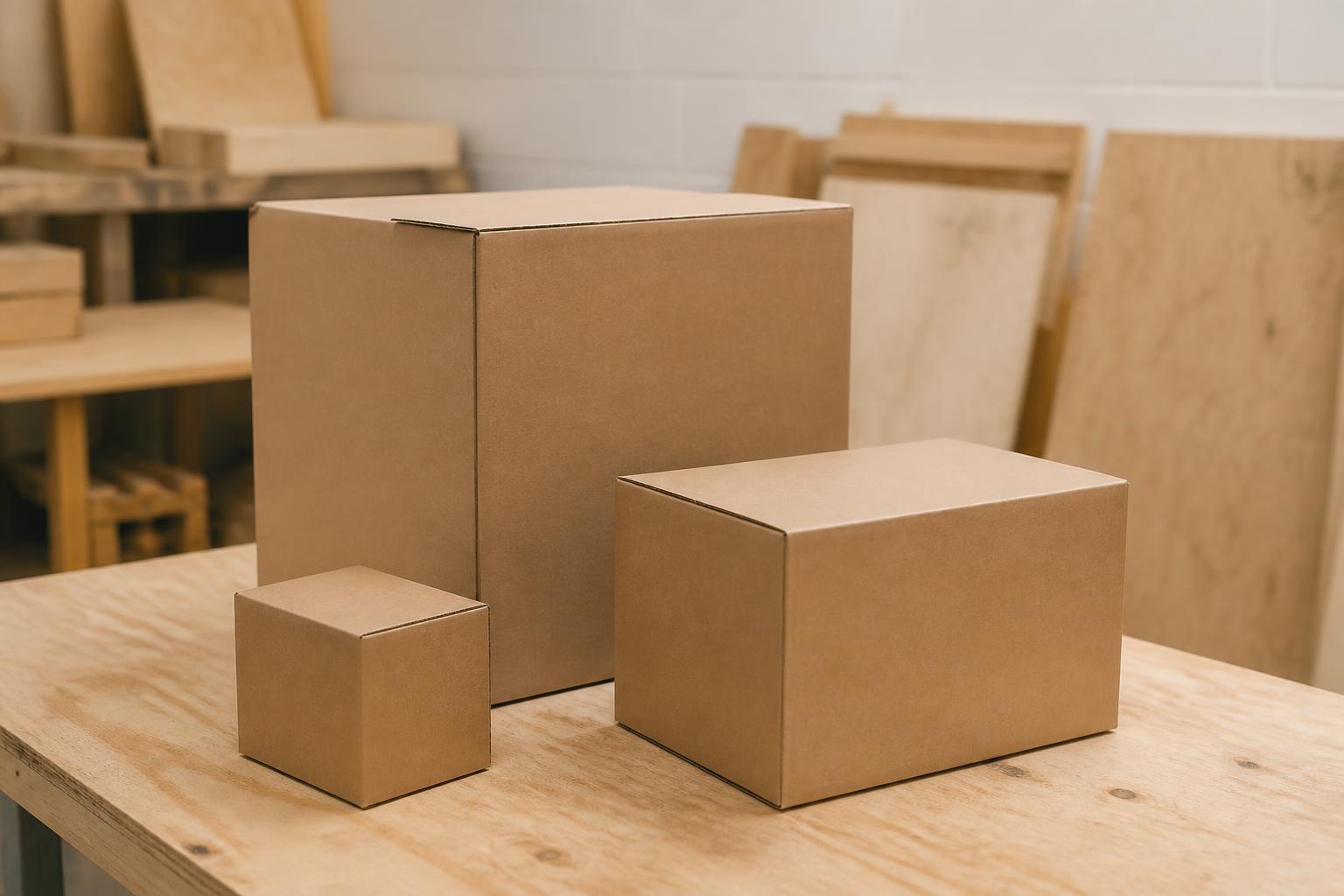
Cardboard boxes of all forms, board and corrugated rolls for wrapping and boxing.
Tapes and strapping
Various tapes for sealing, and strapping for securing loads and packages.
Acid free tissue
Acid free tissue for wrapping items where the wrapping must not mark the surface.
Why it matters
What soft packaging does
- Protecting delicate surfaces and components
- Preventing movement inside packaging
- Cushioning against impact
- Separating components
- Protecting finished surfaces from scratches
- Filling voids where appropriate
- Creating bespoke internal protection around irregular-shaped products
Bespoke internal protection
Protection Designed Around Your Product
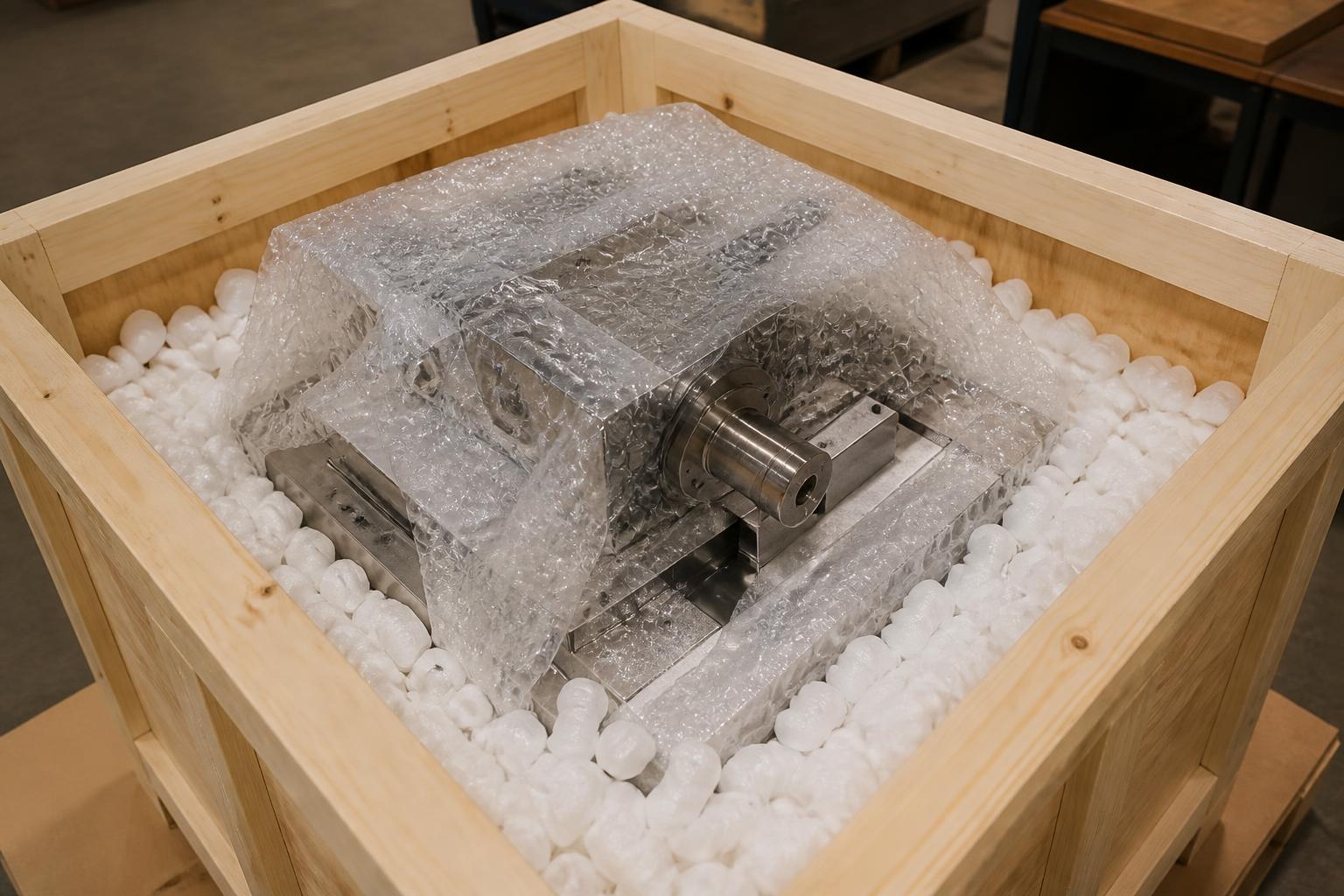
Internal packaging can be designed around the item being shipped, rather than relying solely on standard off-the-shelf packaging. Where a product is an awkward shape, has delicate faces or has parts that must not move, the protection is built up to suit it — foam shaped to the item, packing placed where the load and contact points are, voids filled where that is what keeps the product steady.
1
Understand the product
What the item is, its size and weight, and which parts of it are vulnerable.
2
Identify potential movement and damage risks
Where the product could shift, rub or take an impact on its journey.
3
Select suitable protective materials
Foam, bubble wrap, film, paper, loose-fill or a combination, according to the item.
4
Create bespoke internal protection where required
Cushioning shaped and built up around the product rather than packed loosely.
5
Secure the product inside its outer packaging
The item held in place within its case, crate, pallet or carton, ready for transport.
Related
Packaging inside and out
Wooden Cases & Crates
The outer packaging: softwood and plywood cases built to your product's dimensions.
Bespoke Packaging
Packaging designed around the product, its handling and its journey.
Export Packaging
ISPM 15 heat-treated timber packaging for international shipments.
Vacuum Sealing
Vacuum sealed packaging, foam fittings and waterproof paper lining.
Need the right protection for your product?
Tell us what you're packaging and we'll help develop the right solution.
Looking for other timber products? We also manufacture and supply garden sheds, timber fencing and garden sleepers.
Explore Timber ProductsNeed Something Packaged?
Tell us what you're shipping and we'll help you find the right packaging solution.